

In our hyperconnected world, where everything from personal photos to sensitive business data is stored or transferred digitally, encryption has become the invisible guardian of our privacy and security. By 2025, encryption is no longer optional; it's an absolute necessity. But what exactly is encryption, how has it evolved, and why should you care more than ever? This article will take you through a comprehensive journey exploring encryption in 2025 — demystifying complex concepts and explaining why encryption is the digital lock you simply can’t ignore.
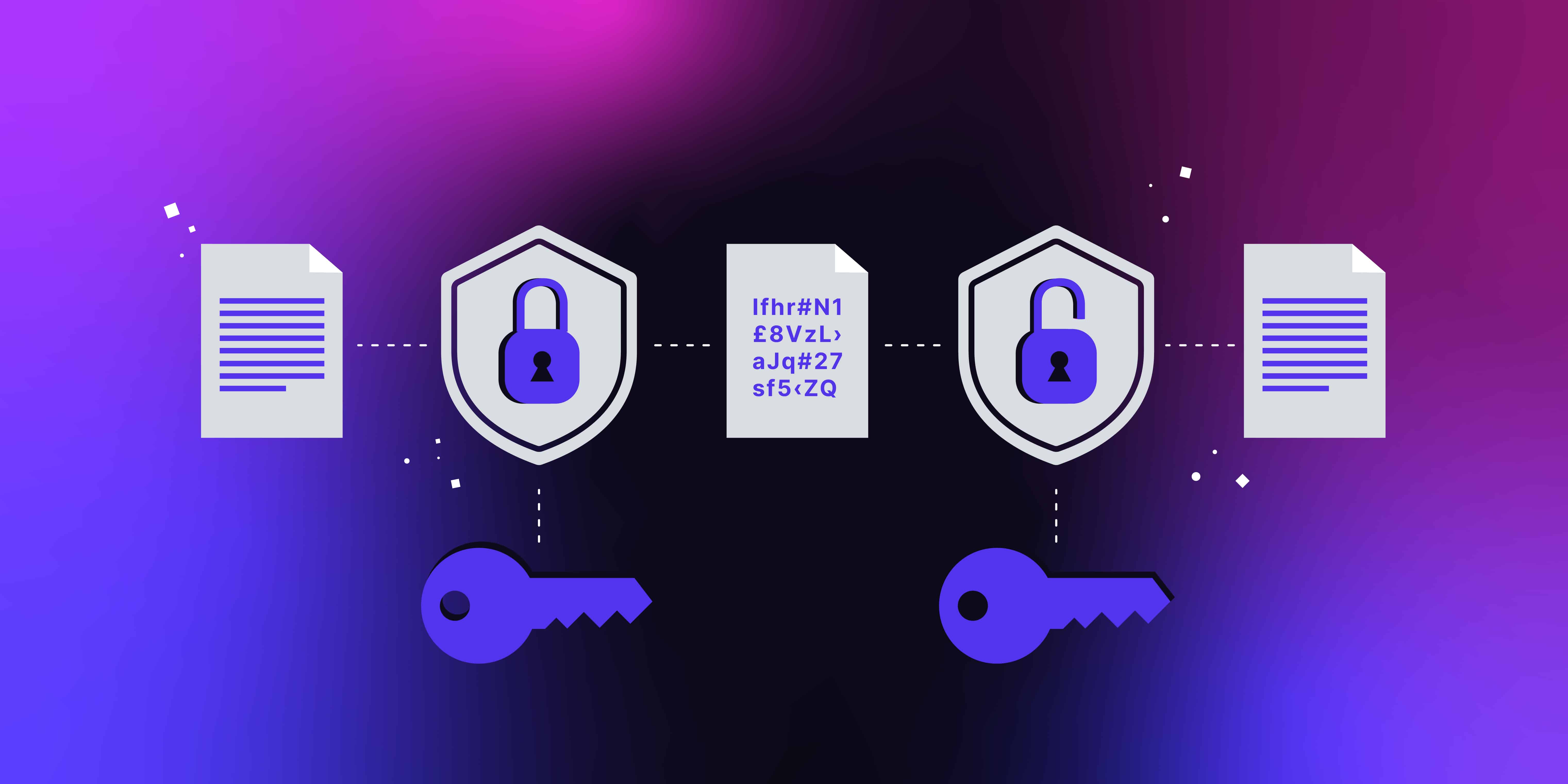
At its core, encryption is a process that converts readable data (plaintext) into an unreadable format (ciphertext) using algorithms and keys. This transformation ensures that only authorized parties with the correct decryption key can access the original information. Think of it as locking your valuables inside a safe that only you hold the combination to.
Early encryption methods were relatively simple, often relying on basic substitution ciphers. But today's encryption employs highly complex mathematical algorithms — such as AES (Advanced Encryption Standard), RSA, and ECC (Elliptic Curve Cryptography) — that are virtually impossible to crack with current computational power.
Encryption can be symmetric (same key for encrypting and decrypting) or asymmetric (different keys for encryption and decryption). Both methods have unique use cases — symmetric for speed in large data volumes, asymmetric for secure key exchanges.
With cyberattacks growing more frequent and sophisticated, encryption acts as your primary shield against unauthorized access, data breaches, and eavesdropping. Whether you’re sending a private message, conducting online banking, or storing files on the cloud, encryption protects your data at every stage.
Governments worldwide have also recognized encryption’s vital role in safeguarding citizens’ digital rights. Many countries have passed regulations mandating encryption to protect consumer data, such as GDPR in Europe or CCPA in California. Using encryption today is both a personal and legal responsibility.
Encryption is woven deeply into our daily digital routines. Here are some common areas where it silently protects your data:
In 2025, encryption standards continue to evolve, balancing security and efficiency:
| Algorithm / Protocol | Type | Use Case | Key Length |
|---|---|---|---|
| AES (Advanced Encryption Standard) | Symmetric | Data encryption for files, disks, VPNs | 128, 192, or 256 bits |
| RSA | Asymmetric | Secure key exchange, digital signatures | 2048 - 4096 bits |
| ECC (Elliptic Curve Cryptography) | Asymmetric | Mobile & IoT encryption, secure key exchange | 224 - 521 bits (high security) |
| TLS (Transport Layer Security) | Protocol | Securing internet communication (HTTPS) | Uses AES, RSA, ECC algorithms |
Encryption has prevented countless cyberattacks, protecting both individuals and corporations. For example, major banks utilize layered encryption to secure billions in daily transactions. WhatsApp’s adoption of end-to-end encryption transformed private messaging globally, ensuring only intended recipients can read messages.
Governments and military agencies depend on encryption to safeguard classified data. Even IoT devices are becoming more secure through encryption protocols, which is critical as these devices proliferate in homes and cities.
Despite its critical role, encryption faces challenges. Quantum computing threatens to break some current algorithms, prompting researchers to develop quantum-resistant encryption methods. Furthermore, debates over “backdoors” in encryption for law enforcement access raise privacy and security concerns.
Users also face usability issues—encryption is only effective when implemented correctly. Weak passwords, unpatched software, or careless sharing can undermine encryption’s power.
1. Always connect to websites using https:// — never enter sensitive info on insecure sites.
2. Use trusted VPNs to encrypt your internet traffic, especially on public Wi-Fi.
3. Opt for messaging apps with end-to-end encryption like Signal or WhatsApp.
4. Protect your devices with full-disk encryption options (e.g., BitLocker for Windows, FileVault for Mac).
5. Regularly update your software to patch vulnerabilities that can bypass encryption.
6. Use strong, unique passwords stored in encrypted password managers (e.g., Bitwarden, LastPass).
Encryption is not just a technical feature; it’s the cornerstone of digital trust, privacy, and security. In 2025, skipping encryption is akin to leaving your front door wide open. By embracing encryption technologies and best practices, you secure your data, your communications, and ultimately your digital identity.
If you want to dive deeper, consider exploring our VPN Tutorials 2025 or our detailed Security Tools guide. These resources will help you take control of your privacy and stay safe in an ever-changing cyber landscape.